
Imagine spending thousands on a billboard that no one actually sees. That’s what happens when you ignore online marketing is the practice of promoting products or services via the internet to reach targeted audiences.. It’s not just about having a website; it’s about creating a system that turns strangers into customers while you sleep. In Melbourne, where small businesses compete fiercely for attention, relying solely on word-of-mouth is a risky bet. You need a strategy that works as hard as you do.
Why Traditional Methods Are Failing Small Businesses
Let’s be honest: handing out flyers at a local market rarely moves the needle anymore. People are glued to their screens. According to recent data from the Australian Communications and Media Authority, Australians spend an average of over four hours a day online. If your business isn’t visible there, you’re invisible. Traditional advertising lacks precision. You pay for impressions regardless of whether the viewer cares about your product. Online marketing flips this script. It allows you to target people who are actively searching for solutions like yours. This shift from broad broadcasting to precise targeting is the core reason why digital channels now dominate global ad spend.
The Core Pillars of a Winning Strategy
You don’t need to master every single channel immediately. Focus on the pillars that drive actual revenue. Here is how they stack up against each other in terms of effort and return.
| Channel | Primary Goal | Time to Results | Cost Efficiency |
|---|---|---|---|
| Search Engine Optimization (SEO) | Long-term organic visibility | 3-6 months | High (after initial setup) |
| Pay-Per-Click (PPC) | Immediate traffic and sales | Days | Medium (depends on bidding) |
| Social Media Marketing | Brand awareness and engagement | Weeks | Variable (organic vs. paid) |
| Email Marketing | Customer retention and upsells | Immediate | Very High |
Mastering Search Engine Optimization (SEO)
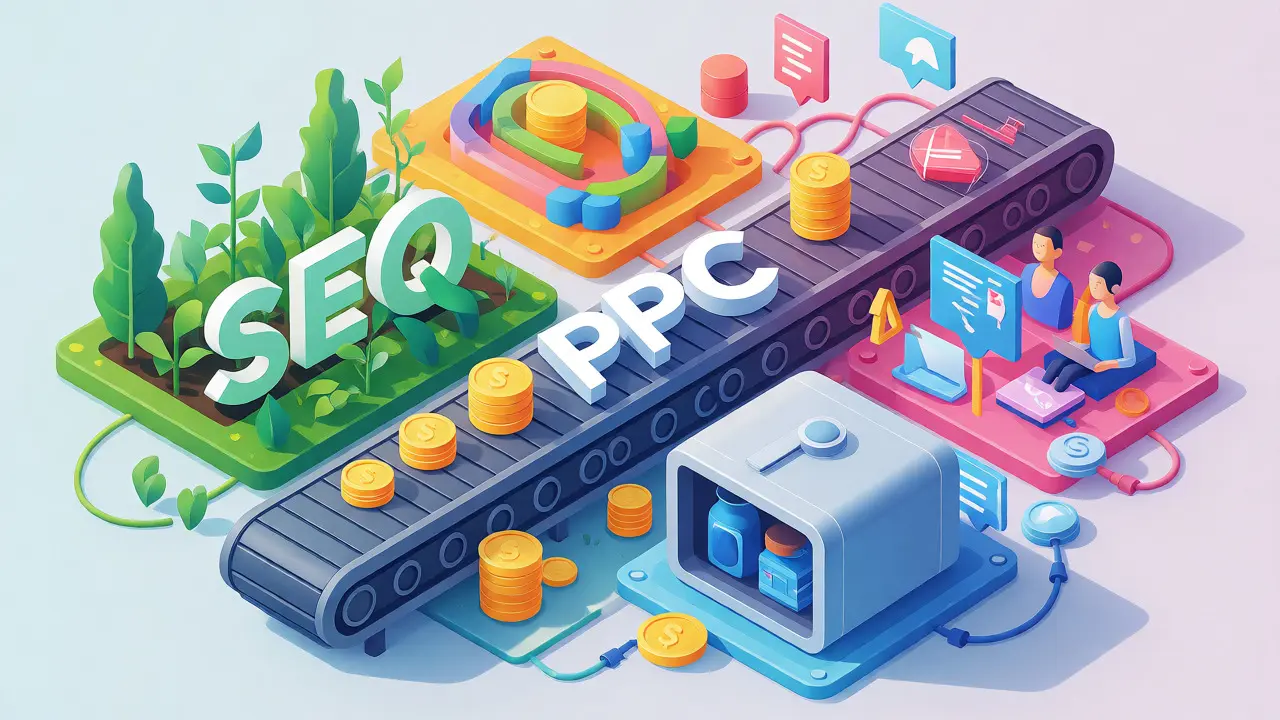
Think of SEO is the process of optimizing content to rank higher in search engine results pages. as planting a tree. It takes time to grow, but once it’s established, it provides shade year-round without constant watering. For a local business in Melbourne, this means optimizing for "near me" searches and specific service keywords. Google’s algorithms have evolved significantly by 2026. They now prioritize user experience signals heavily. If your site loads slowly or looks messy on mobile, you lose points fast.
- Keyword Research: Don’t guess. Use tools to find what people actually type. Look for long-tail keywords with lower competition but high intent.
- Content Quality: Write for humans, not robots. Answer specific questions clearly. If someone searches for "best coffee beans in Melbourne," give them a genuine review, not a generic list.
- Technical Health: Ensure your sitemap is updated and broken links are fixed. A clean technical foundation lets search engines crawl your site efficiently.
Leveraging Pay-Per-Click for Quick Wins
While SEO builds your foundation, PPC is an advertising model where advertisers pay a fee each time one of their ads is clicked. gives you instant visibility. It’s perfect for launching new products or filling gaps in your calendar. The trick? Targeting. You can show ads only to people within a 5-kilometer radius of your shop who searched for your service in the last hour. This level of granularity was impossible ten years ago.
However, PPC can burn cash quickly if you aren’t careful. Start with a small daily budget. Monitor your Click-Through Rate (CTR) closely. If people see your ad but don’t click, your copy or image needs work. If they click but don’t buy, your landing page is the problem. Always link your ads to a dedicated landing page, not your homepage. Make the next step obvious: "Book Now," "Get Quote," or "Buy Today." Remove distractions. Every extra link is a leak in your funnel.
Social Media: Building Community, Not Just Followers
Many businesses make the mistake of treating social media like a broadcast channel. They post a flyer and expect sales. That’s lazy marketing. Platforms like Instagram and LinkedIn thrive on interaction. Share behind-the-scenes content. Show your team working. Ask questions. Reply to comments genuinely. When users feel connected to your brand, they become advocates.
Video content dominates right now. Short-form videos on TikTok or Reels often get more reach than static images. You don’t need a film crew. A smartphone and good lighting are enough. Show your product in action. Solve a common problem in 15 seconds. Authenticity beats polish every time. People trust real stories from real people, not overly produced corporate ads.
Email Marketing: The Unsung Hero of ROI
Here’s a fact that surprises many owners: email still delivers the highest return on investment of any channel. Why? Because you own the list. Social media algorithms change overnight. One day your posts reach everyone; the next, almost no one. But your email list stays with you. Use it to nurture leads. Send valuable content, not just sales pitches. Offer exclusive discounts to subscribers. Automate welcome sequences for new sign-ups. This keeps your brand top-of-mind without requiring constant manual effort.
Measuring What Actually Matters
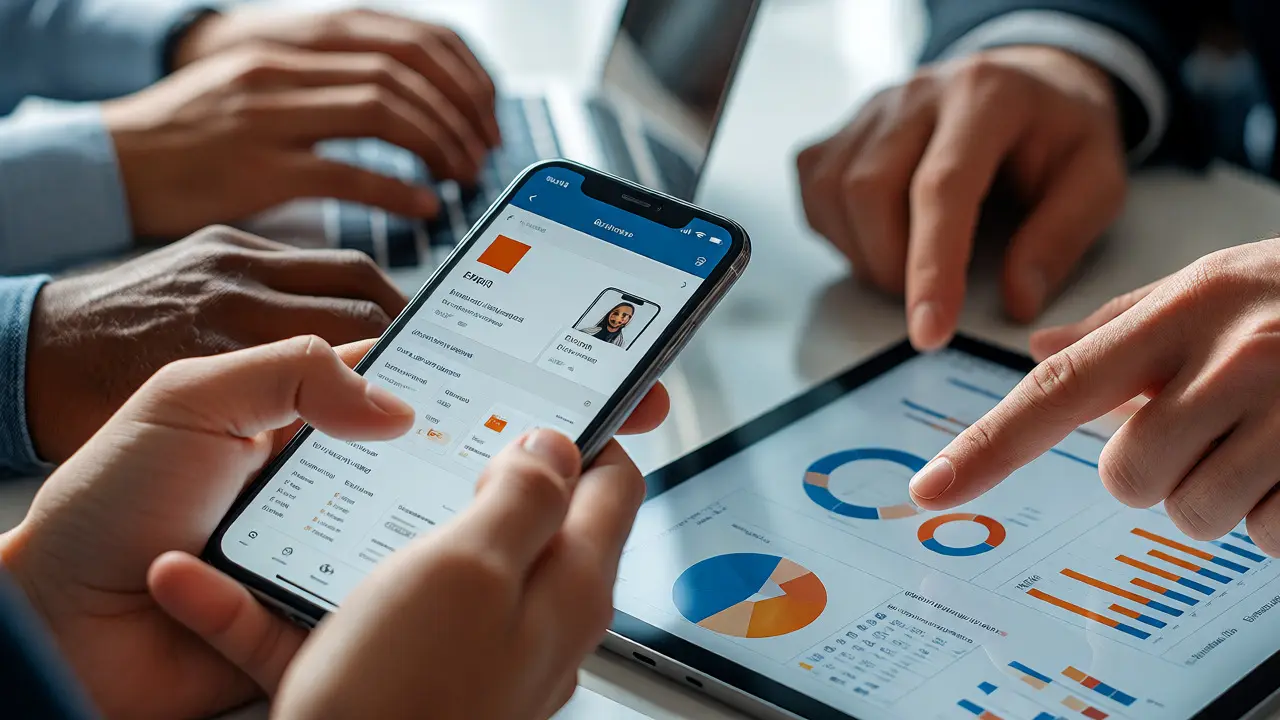
Vanity metrics like "likes" or "page views" feel good but often mean nothing to your bottom line. Focus on conversion rates and Customer Acquisition Cost (CAC). How much does it cost to get one paying customer? If you spend $50 on ads to get a customer worth $100, you’re losing money after overheads. Aim for a healthy lifetime value (LTV) ratio. Ideally, LTV should be three times your CAC.
Use analytics tools to track user behavior. See which pages they visit before buying. Identify drop-off points in your checkout process. Maybe your shipping costs scare people away at the last minute. Fixing these leaks often yields faster results than driving new traffic. Test one change at a time. If you change everything at once, you won’t know what worked.
Common Pitfalls to Avoid
Don’t try to do everything at once. Spreading resources thin leads to mediocre results across all channels. Pick one primary channel and two secondary ones. Master them before expanding. Also, avoid ignoring mobile users. Over 70% of online traffic comes from phones. If your site is hard to navigate on a small screen, you’re leaving money on the table.
Another trap is chasing trends blindly. AI-generated content is popular, but if it sounds robotic, readers bounce. Use AI for research or drafting, but edit for voice and personality. Finally, never stop testing. The digital landscape shifts constantly. What worked in 2024 might fail in 2026. Stay curious, stay adaptable, and keep listening to your customers.
Frequently Asked Questions
How much should I budget for online marketing?
A general rule of thumb is to allocate 7-10% of your gross revenue to marketing. For startups aiming for rapid growth, this might rise to 15-20%. However, start smaller if you are testing channels. Set a monthly cap and adjust based on performance data rather than sticking rigidly to a percentage.
Do I need an agency or can I do it myself?
You can handle basic tasks yourself, especially if you have time to learn. DIY is great for social media management and basic email campaigns. However, agencies bring expertise in complex areas like large-scale PPC management or advanced SEO audits. Consider a hybrid approach: manage your own content but hire experts for paid ads or technical SEO issues.
How long until I see results from online marketing?
It depends on the channel. Paid ads (PPC) can generate leads within days. Email marketing works immediately upon sending. SEO and organic social growth typically take 3 to 6 months to gain significant traction. Patience is key for long-term strategies, while paid options offer quicker, albeit temporary, boosts.
Is online marketing better than traditional advertising?
For most modern businesses, yes. Online marketing offers superior targeting, measurability, and cost efficiency. You can pause a campaign instantly if it’s not working, unlike a printed brochure run. However, traditional methods still have value for hyper-local brand awareness or reaching older demographics who may be less digitally active.
What is the biggest mistake beginners make?
Focusing on traffic instead of conversions. Driving thousands of visitors to a poorly designed website is wasteful. Beginners often neglect tracking setups, making it impossible to know what’s working. Always ensure your analytics are correctly installed before spending money on ads.