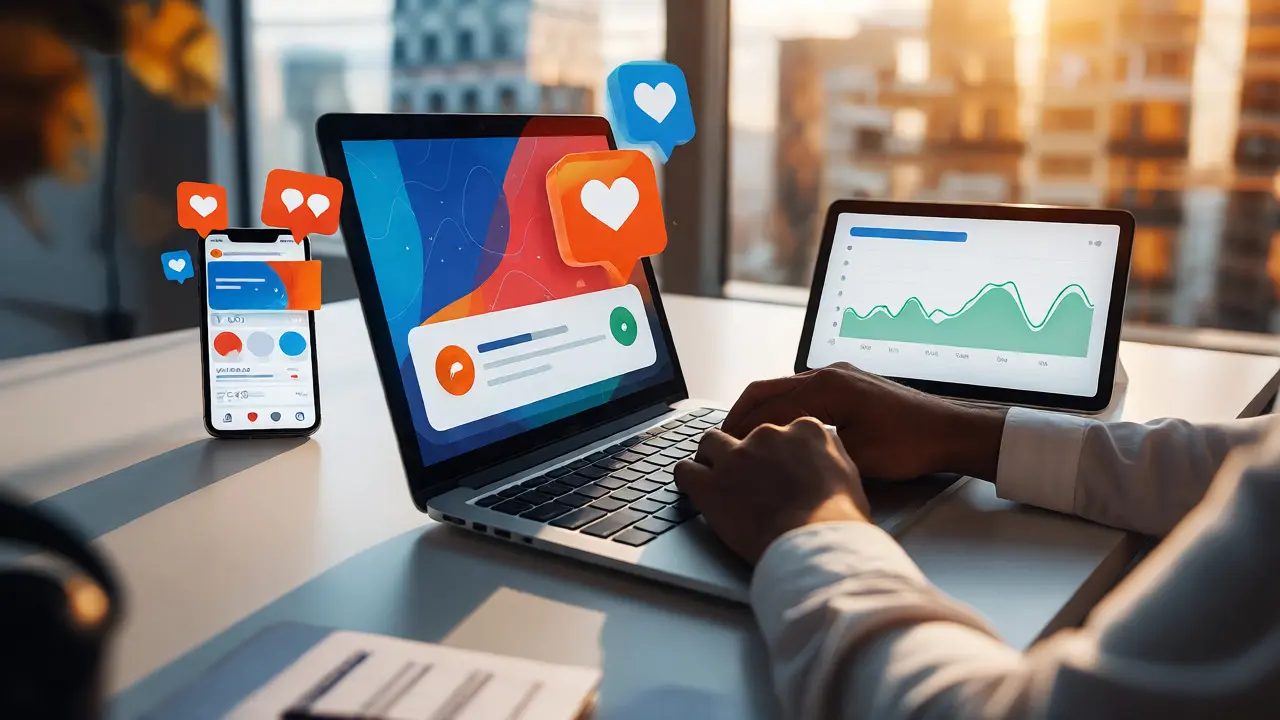
Think about the last time you bought something online. Did you stumble upon it by accident? Probably not. You likely saw an ad on Instagram, read a review on Reddit, or found it via a Google search that promised exactly what you needed. That journey wasn't luck; it was engineered through online marketing. It is the practice of promoting products and services using digital channels such as search engines, social media, email, and websites. Unlike traditional billboards or radio spots, online marketing lets you track every click, view, and sale in real-time.
For many small business owners, this landscape feels like a maze. One day, TikTok is the goldmine; the next, SEO algorithms shift and traffic drops. But here’s the truth: thriving businesses don’t chase trends blindly. They build systems. Whether you run a local bakery in Melbourne or a SaaS startup targeting global users, the core principles remain the same. You need visibility, trust, and conversion. If you’re wondering how to cut through the noise without burning your budget, you’re in the right place. Let’s break down exactly how online marketing drives growth, not just buzz.
Why Online Marketing Beats Traditional Methods
Traditional advertising has its place, but it lacks precision. When you buy a TV spot, you pay for everyone watching, even if they have zero interest in your product. Online marketing flips this script. It allows for hyper-targeting. You can show ads specifically to people who visited your site in the last seven days, live within 10 kilometers of your store, and have expressed interest in similar products. This precision saves money and increases relevance.
Consider the data. According to recent industry reports, digital ad spending continues to outpace traditional media globally. Why? Because of measurability. With tools like Google Analytics, you know exactly which channel brought in revenue. Did that Facebook campaign generate $500 in sales from a $100 spend? Yes. Did that billboard bring in anyone? Hard to say. This clarity allows you to double down on what works and cut what doesn’t. For a small business with a limited budget, this efficiency isn’t just nice to have; it’s survival.
The Core Pillars of a Successful Strategy
You don’t need to do everything at once. In fact, trying to master ten channels simultaneously usually leads to burnout and mediocre results. Focus on the pillars that align with your audience’s behavior. Here are the four most critical components for most businesses today.
- Search Engine Optimization (SEO): This is the long game. By optimizing your website content for keywords like "best coffee beans Melbourne" or "affordable CRM software," you attract organic traffic. It takes time-often 6 to 12 months-but it’s free after the initial effort.
- Social Media Marketing: Platforms like Instagram, LinkedIn, and TikTok allow you to build community. It’s not just about posting pictures; it’s about engaging conversations that turn followers into advocates.
- Email Marketing: Often overlooked, email remains one of the highest ROI channels. You own your list. No algorithm change can delete your subscribers. Personalized newsletters can drive up to 30% of your e-commerce revenue.
- Pay-Per-Click (PPC) Advertising: Immediate visibility. If you need sales now, platforms like Google Ads let you bid for top positions. It costs money, but the speed of feedback makes it invaluable for testing new offers.
Notice the pattern? Some strategies are fast (PPC), some are slow (SEO). A balanced mix ensures you survive today while building for tomorrow.
Understanding Your Customer Journey
Marketing fails when it ignores where the customer is in their decision process. Imagine someone searching for "how to fix a leaky tap." They aren’t ready to buy a plumber’s service yet; they want information. If you hit them with a hard sell, they’ll bounce. But if you offer a helpful guide, you earn trust. Later, when they decide to hire help, they remember you.
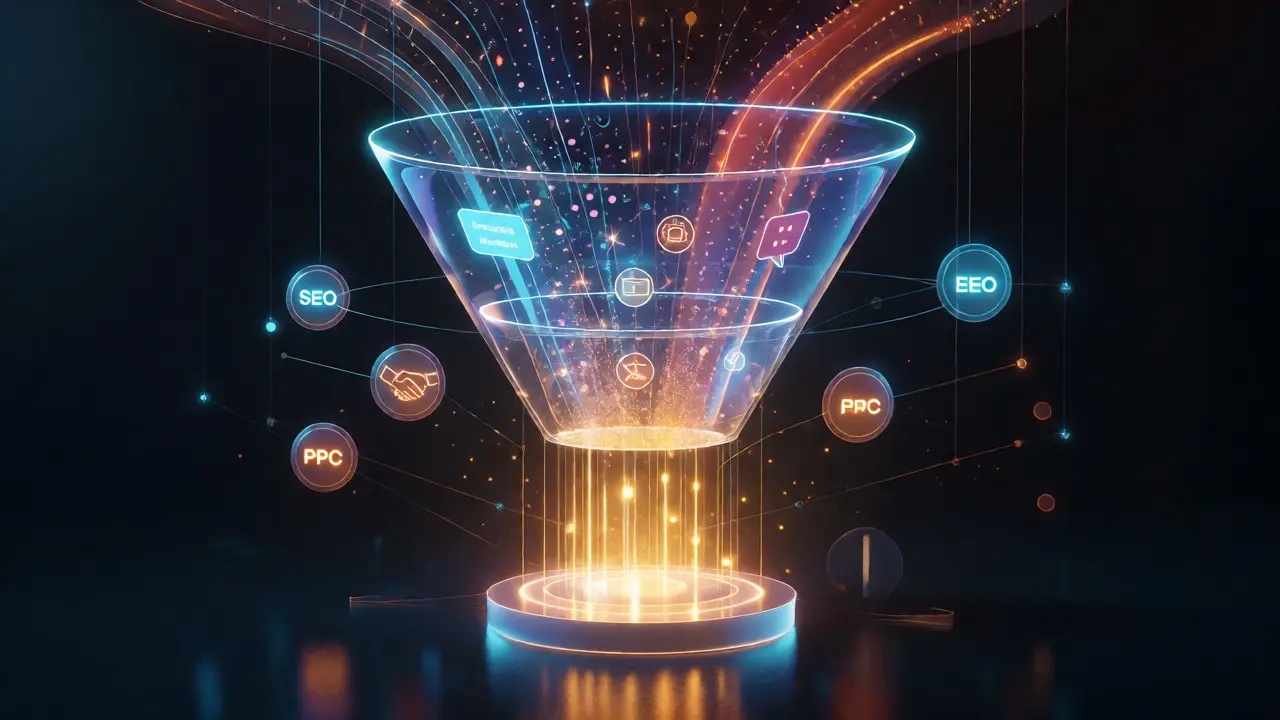
This concept is known as the funnel. Top-of-funnel content attracts strangers. Middle-of-funnel content nurtures leads. Bottom-of-funnel content converts customers. Mapping your content to these stages prevents wasted effort. For example, blog posts work best for the top. Case studies and testimonials work for the middle. Free trials or discounts work for the bottom. Don’t ask someone to marry you on the first date.
Tools and Metrics That Matter
You don’t need a massive tech stack. Start simple. Use HubSpot or Mailchimp for email automation. Use Canva for quick social graphics. Use Google Search Console to monitor your SEO health. The key is integration. Ensure your tools talk to each other so you get a unified view of performance.
What should you measure? Ignore vanity metrics like "likes" unless they correlate with sales. Focus on actionable data:
| Metric | Definition | Why It Matters |
|---|---|---|
| Customer Acquisition Cost (CAC) | Total marketing spend divided by number of new customers | Tells you if your campaigns are profitable |
| Conversion Rate | Percentage of visitors who take a desired action | Indicates website effectiveness and offer appeal |
| Lifetime Value (LTV) | Total revenue expected from a single customer | Helps determine how much you can afford to spend on CAC |
| Return on Ad Spend (ROAS) | Revenue generated per dollar spent on advertising | Direct measure of paid media efficiency |
If your LTV is $500, you can afford a CAC of $100-$150 and still be healthy. If your CAC is $400, you’re bleeding money. These numbers guide your strategy more than any creative hunch.

Common Pitfalls to Avoid
Many businesses fail because they treat online marketing as a set-it-and-forget-it task. They launch a website, post sporadically, and wonder why nothing happens. Consistency is non-negotiable. Algorithms reward regular activity. So do audiences.
Another trap is ignoring mobile users. Over 60% of web traffic comes from smartphones. If your checkout process is clunky on a phone, you lose sales instantly. Test your site on multiple devices. Also, beware of over-automating. While chatbots save time, nothing beats a human response for complex queries. Balance efficiency with empathy.
The Future Is Personal and AI-Driven
We’re entering an era where Artificial Intelligence reshapes marketing. Tools now predict which customers are likely to churn before they actually leave. They personalize email subject lines based on past behavior. They even generate content drafts. But AI is a tool, not a replacement for strategy. You still need to define the goal. AI helps you execute faster, not think deeper.
Privacy regulations are also tightening. With laws like GDPR and Australia’s Privacy Act updates, collecting first-party data (data you gather directly from customers) is crucial. Third-party cookies are fading. Building direct relationships through email and loyalty programs protects you from future disruptions.
Thriving in 2026 means adapting quickly. Stay curious. Test new formats. Listen to your customers. Online marketing isn’t about shouting louder; it’s about speaking smarter. Start with one channel, master it, then expand. Your business will thank you.
How much does online marketing cost for a small business?
Costs vary widely depending on goals and competition. A small business might spend between $500 and $5,000 monthly. This includes ad spend, software subscriptions, and potential agency fees. Start small, track ROI, and scale only when profitable.
Do I need all social media platforms?
No. Choose platforms where your audience hangs out. B2B companies often thrive on LinkedIn, while visual brands succeed on Instagram or Pinterest. Trying to maintain presence everywhere dilutes quality and resources.
How long until I see results from SEO?
Typically 3 to 6 months for noticeable improvements, and 6 to 12 months for significant traffic gains. SEO is a long-term investment. Content published today may peak in rankings a year later.
Is email marketing still effective?
Yes. Email consistently delivers high ROI, often cited around $36-$42 for every $1 spent. It allows direct communication without algorithm interference, making it reliable for nurturing leads and driving repeat sales.
What is the biggest mistake beginners make?
Lack of consistency and poor tracking. Many quit before giving strategies enough time to work. Others fail to measure results, so they can’t tell what’s working. Set clear KPIs and stick to a schedule.