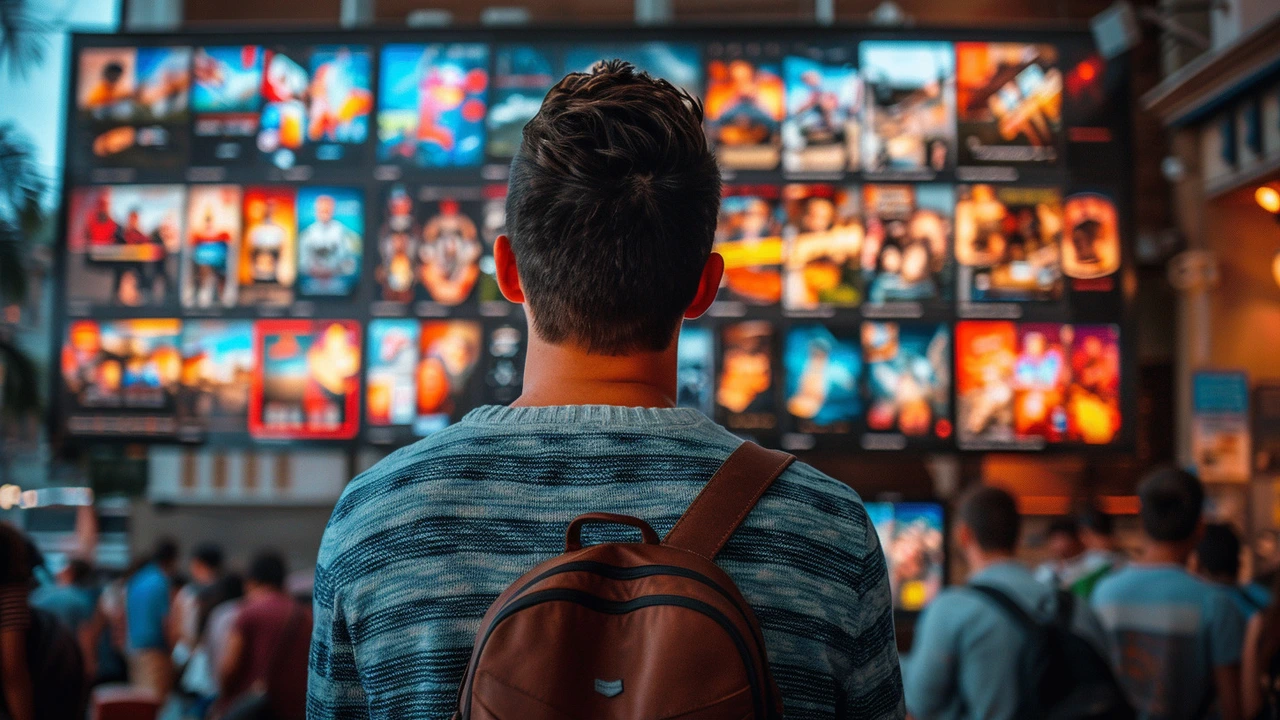
Future of Digital Marketing: What Works Right Now
AI is not just a buzzword anymore—it's the engine behind better content, faster testing, and more personalized ads. You might have seen ChatGPT generate headlines or TikTok creators speed up idea work. That’s just the start. The future of digital marketing mixes AI automation with human creativity, tighter measurement, and new channels like in-game ads.
Here’s what matters and what you can actually try this week.
AI-first content and smarter workflows
Use AI to cut the boring parts: outlines, keyword research, A/B copy variations, and producing first drafts. Don’t hand over final copy to a model—use it to ideate and scale. For example, generate 10 headline variations, test them in small paid campaigns, then roll out the winners. That approach saves time and improves results without losing your brand voice.
AI also speeds up SEO research. Ask a model to map topic clusters, then validate search intent with real queries and analytics. Treat AI suggestions as hypotheses—confirm with data before you optimize site-wide.
Platform shifts and creative formats
TikTok-style short video remains the fastest path to organic reach. Use AI to craft scripts, captions, and thumbnail text, but film with real people and spontaneous edits. Audiences notice copy that feels manufactured. Try leveraging ChatGPT to create tight 15–30 second scripts that follow a tested hook-pattern: problem, quick demo, call to action.
Social ads are becoming more personalized. Combine basic CRM data with AI templates to create dozens of ad variations that feel tailored. Keep track of which personalization actually moves metrics—don’t assume more personalization equals better ROI.
In-game advertising is emerging fast as a high-attention, low-fatigue channel. Ads that match game context—skins, billboards, interactive integrations—perform better than generic banners. Partner with developers early to get natural placements that feel like part of the game, not a break in it.
Privacy and first-party data matter more than ever. As cookies fade, build direct relationships—email, app push, community—to keep measurement sharp. Use AI to enrich first-party insights, not replace them.
Practical habits that separate winners from the rest: run continuous micro-tests, keep human review in every AI output, and document what works for your audience. Train your team on prompt design so outputs are consistent. And measure everything—short-term engagement and long-term value.
Quick playbook: 1) Pick one campaign. 2) Use AI to generate 5 creative concepts. 3) Test variants with small budgets. 4) Scale winners and pull learnings into content and SEO. Small, fast cycles beat big, slow moves.
If you focus on experiments, real user data, and human-led creativity combined with AI speed, you’ll stay ahead as platforms shift and new channels, like gaming, keep growing. Try one small test this week and treat the results as your next strategy signal.
The Evolution of Digital Marketing: Past, Present, and Future
As a seasoned marketing enthusiast, I've been fascinated by how digital marketing has evolved over the years. This journey unfolds how we've progressed from simple email promotions to complex AI-driven strategies, transforming the marketing landscape forever. In this article, we'll delve into the past, roll in the present, and peek into the captivating future of digital marketing. Join me as we discover how these experiences shape our current methodologies and future advancements.
Read More