Video game advertising: real tactics that work in-play
Ads in games don’t have to annoy players. When done right, they feel natural, increase brand recall, and help developers keep games free. This page collects practical ideas and quick wins you can use today—no jargon, just things that actually move the needle.
What works in games
Rewarded video is the easiest win. Let players watch a short clip to get extra lives, skins, or boosts. They choose the ad, so engagement and completion rates jump compared to forced ads. Use clear rewards and limit frequency to avoid fatigue.
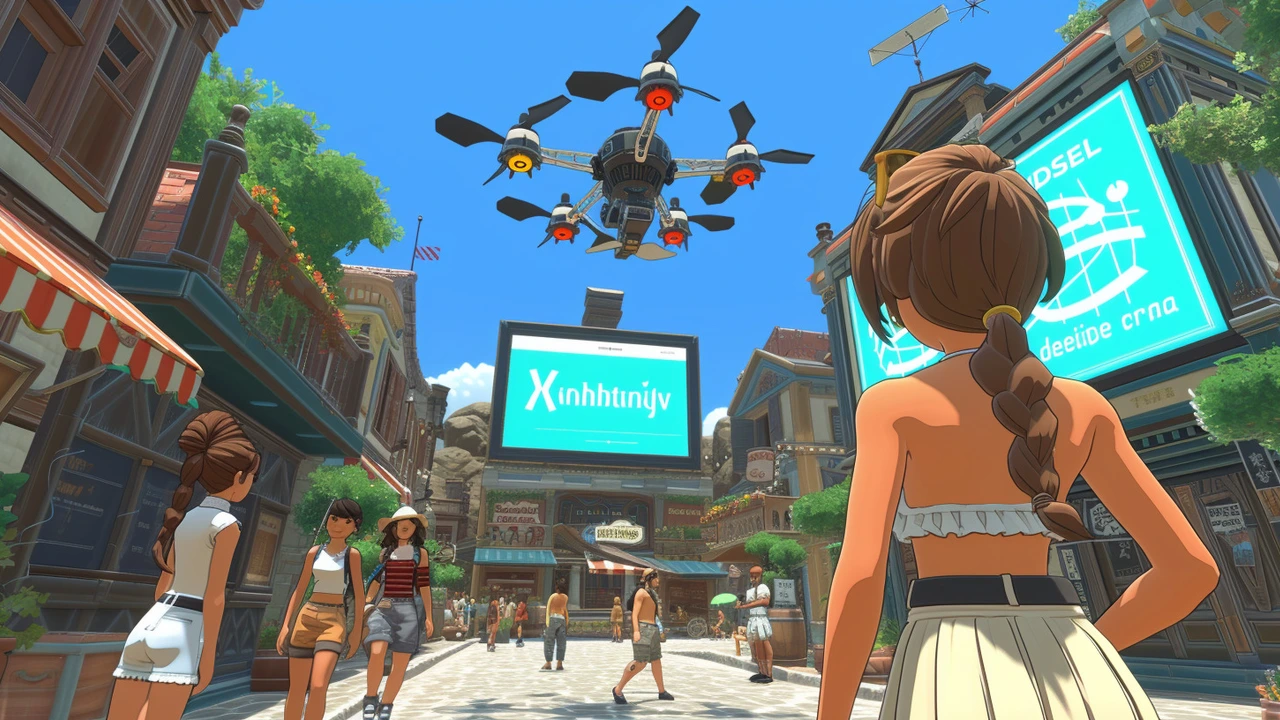
Native placements — billboards in a racing game or product logos on stadium banners — build awareness without breaking immersion. Keep creative consistent with the game’s look. A luxury brand should use subtle, high-quality assets; a casual snack brand can be brighter and funnier.
Context matters more than broad targeting. Match ad creative to the game mood: tactical gear in a shooter, upbeat snacks in a party game, finance apps in strategy titles with older players. Contextual targeting avoids privacy headaches and usually converts better than generic demographic buys.
Use dynamic ads when possible. Change offers based on player progress: show beginner offers to new players and premium upgrades to high-engagement users. This reduces wasted impressions and raises conversion rates.
How to measure success
Start with simple, measurable goals: view-through rate for awareness, click-through rate for direct response, and conversion rate for install or purchase. For developers, track ARPDAU (average revenue per daily active user) and retention after ad exposure—both show long-term impact.
Run A/B tests on placement and creative. Swap a static banner for a short animation and compare retention, not just clicks. Sometimes small creative tweaks improve session length, which matters for both monetization and user happiness.
Watch frequency and session flow. An ad that appears at a natural pause—between levels or after a win—feels fine. Cutting into core gameplay causes churn. If retention drops after adding ads, change timing or reduce load.
Use first-party signals from the game: level, playtime, and in-game purchases. These signals beat generic third-party segments for predicting who will engage with an offer. Feed that data into your ad server or DSP for better results.
Examples that work: a racing game selling time-limited real-world car liveries via native placements; a mobile puzzle game offering daily rewarded videos that increase day-7 retention; a sports title using dynamic stadium banners to promote local events. Each keeps game feel first and ad message second.
If you want quick next steps: test one rewarded placement, run a 2-week A/B on creative, and track retention plus ARPDAU. Explore the articles below on this tag for case studies and step-by-step guides to scale what works.
How In-Game Ads are Revolutionizing Marketing Strategies
In the bustling gaming world, ads are pulling a sneaky on us, revolutionizing marketing as we know it! It's like they've leveled up, embedding themselves right into the games we love. I mean, imagine chasing a high score and bam! An ad pops up, but instead of being annoying, it's part of the fun. It's like marketers have found a cheat code, turning ads into engaging, immersive parts of the gameplay. So, next time you're dodging digital bad guys, watch out for those sneaky ads, they might just be the next big thing in marketing!
Read More